
Research

Balancing Art and Economics: How the Opera House Turns Revenue into Community Impact
defaultno
Published Nov 26, 2024 in Finance Transformation AI & Innovation Type Community Interviews Authors Gabby Fredkin Jon Blackburn

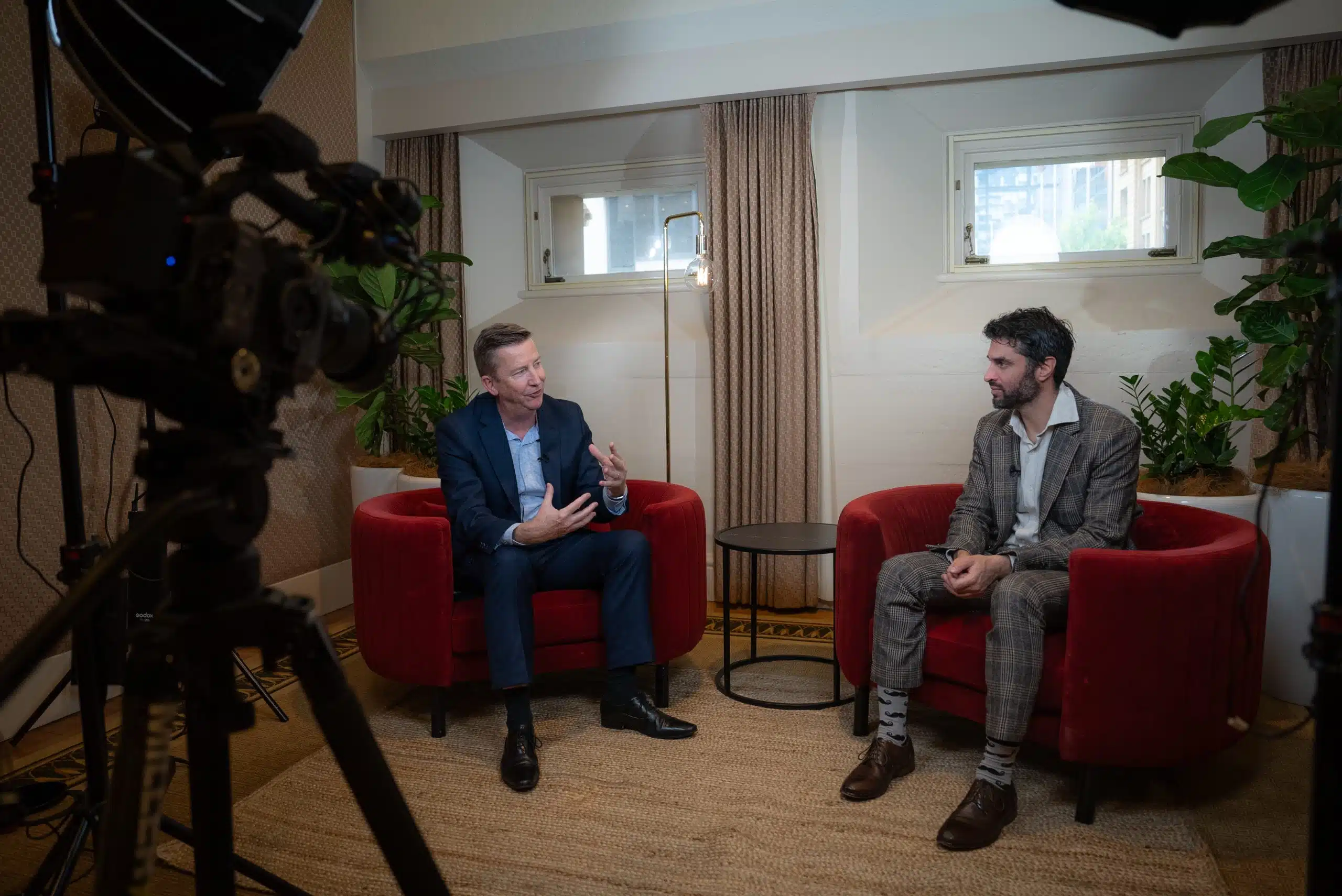
In this interview, Jon Blackburn, CFO & Executive Director Corporate Services at Sydney Opera House discusses how post-COVID, the Sydney Opera House transitioned to a data-driven model to adapt to changing audience behaviours and to boost marketing efficacy. Prior to the pandemic, ticket sales were stable, with resident companies and tourism reliably driving revenue. However, post-lockdown, shifts in tourist demographics, ticket purchasing habits, and economic factors like the cost of living prompted the Opera House to rely heavily on data for insights. By tracking variables such as visitor origin, purchasing behaviours, and show preferences, they aim to tailor marketing efforts and identify both risks and growth opportunities. This requires employing data to segment customers and implement predictive analytics for personalised recommendations—similar to models used by companies like Amazon.

In the journey to improve personalisation, data democratisation has been a key focus, with tools like Power BI empowering various departments to self-serve and analyse data without needing deep technical expertise. This approach allows different teams to make data-informed decisions quickly. The Opera House’s funding model also plays a significant role in shaping this strategy; as a government-owned, commercially-driven organisation, it must generate 90% of its own revenue to sustain operations. The balanced approach combines commercial endeavours with community engagement. This aims for inclusive programming that appeals to a wide audience while staying financially viable. Technology and data analytics enable them to align with strategic goals, optimise operational costs, and enhance visitor engagement, all while maintaining compliance with government standards.

The Sydney Opera House follows a diversified revenue model that includes food, beverage, tourism, and events. This allows for resilience and the ability to reinvest in community initiatives, like free events, educational programs, and supporting local artists. Operating as a “not for profit, not for loss” entity, the Opera House maintains a circular economic model where revenue from commercial activities supports cultural and artistic endeavours. They manage a balance between commercial success and artistic risk, much like an airline’s fixed cost structure—once a show is scheduled, the costs are incurred regardless of attendance. The Opera House evaluates investment based on both cost-effectiveness and customer experience enhancements, such as improvements to their website and digital features like seat previews, to drive revenue and minimise customer friction. Jon explains how they prioritise collaboration across IT, finance, and marketing to align technology spending with value creation for customers, emphasising a balanced, customer-driven approach in both operational and artistic investments.


Key Takeaways:

  • Circular, community-focused revenue model: The Opera House operates a self-sustaining, not-for-profit model that reinvests commercial revenue into community initiatives, education, and supporting local artists, balancing cultural impact with financial resilience.
  • Operational risk similar to fixed-cost industries: With a fixed-cost structure like an airline, each event’s costs are incurred upfront. Success depends on ticket sales, so strategic decisions around attendance and break-even points are crucial to maintaining profitability and supporting artistic risks.
  • Collaborative investment in customer experience: Cross-functional collaboration between finance, IT, and marketing enables the Opera House to prioritise customer-friendly digital features and cost-effective technology investments, driving both revenue and customer satisfaction by improving digital pathways, such as seat previews and frictionless ticket purchasing.
Gabby Fredkin Contributor Gabby Fredkin Head of Analytics & Insights
Gabby’s primary role is managing analysis to produce ADAPT’s actionable insights. He has extensive experience in using data to identify technology trends... More

Gabby’s primary role is managing analysis to produce ADAPT’s actionable insights. He has extensive experience in using data to identify technology trends to support Australian organisations.​

Using modern data science techniques, he provides ADAPT and its customers with confidence in the accuracy and validity of the information used for ADAPT’s research, advisory and events.​

With a passion for creating stories with data, Gabby is consistently rated as one of the top speakers at ADAPT’s events. In roundtable discussions, he specialises in using statistics to initiate thought-provoking discussions. ​

Gabby is effective in translating information into insights, enabling ADAPT’s customers to become more data-driven.​

Gabby’s primary areas of expertise are:​

  • Advanced AI and ML practices, including AI ethics.​
  • Building models to benchmark and predict IT performance.​
  • End-user behaviour and human-centred design.​
  • Cross-functional team design and value, such as DevSecOps.​
Less
Jon Blackburn Contributor Jon Blackburn Executive Director Corporate Services & CFO at Sydney Opera House
Jon joined in the role of Chief Financial Officer in November 2017 and was appointed Executive Director Corporate Services in September 2018.... More

Jon joined in the role of Chief Financial Officer in November 2017 and was appointed Executive Director Corporate Services in September 2018. He is responsible for the finance, technology, legal, and enterprise risk and program management teams delivering corporate services across the Opera House.

Jon has over 30 years global experience in the financial, property and professional services sectors. After starting his career at Price Waterhouse he moved into financial services with senior roles at Macquarie Bank and later CFO for Lloyds Bank businesses in Asia. Most recently he was the global CFO at Unispace, a family owned global design and build services business.

Less
ADAPT